California’s unsold food rescue and food waste recycling law (SB 1383) fights climate change by cutting methane pollution from organic waste in landfills. Under this law, most cities and counties must provide curbside composting services, so you should have a green bin for collecting food scraps at home, in schools, and in businesses.
Are there exceptions?
Yes. Some rural or high-elevation areas are exempt from certain requirements and may not have curbside composting. Check your local program rules at IRecycleSmart.com.
What if your area is exempt from curbside composting?
You can still make a difference:
Compost at home with a backyard or worm bin. Check out this video to get started.
Join a community composting program. Learn more about it in this video.
Advocate for composting services by talking to local officials or schools about starting a new program. Find helpful resources in this toolkit.


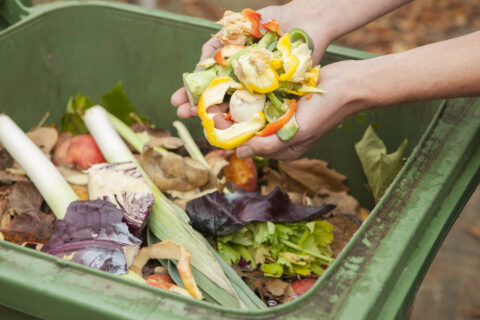



California’s unsold food rescue and food waste recycling law (SB 1383) fights climate change by cutting methane pollution from organic waste in landfills. Under this law, most cities and counties must provide curbside composting services, so you should have a green bin for collecting food scraps at home, in schools, and in businesses.
Are there exceptions?
Yes. Some rural or high-elevation areas are exempt from certain requirements and may not have curbside composting. Check your local program rules at IRecycleSmart.com.
What if your area is exempt from curbside composting?
You can still make a difference:
What if your area is NOT exempt but you don’t have a green bin?
Report it to CalRecycle so the department can provide additional compliance assistance to your community.
Every small step helps reduce waste and protect the environment. Even without a green bin, you can be part of the solution!
Continue to learn more about how you can Curb Your Food Scraps and find out Why Your Leftovers Matter.